
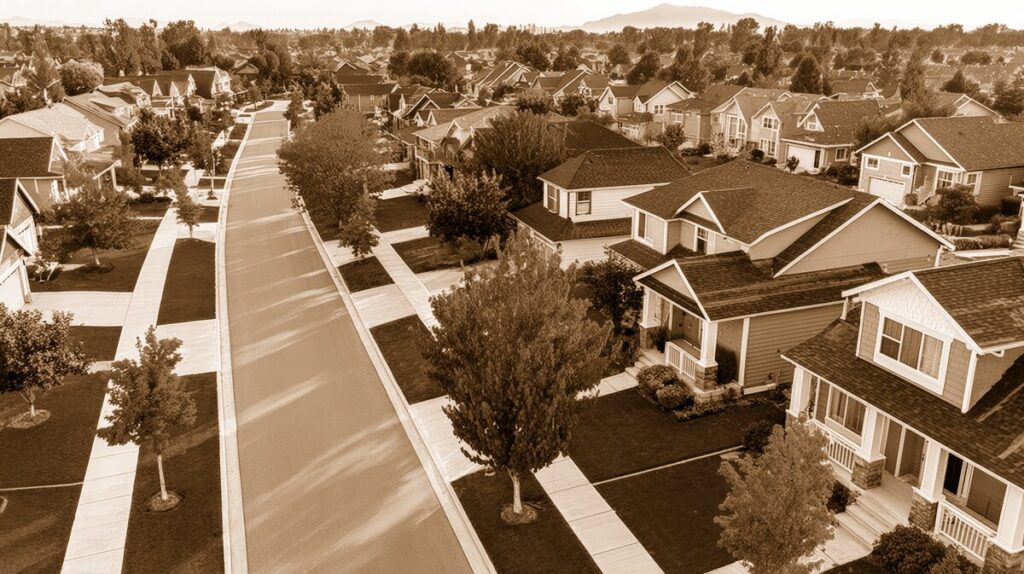
Nestled in the northern part of Berkeley, Northbrae is a neighborhood where history whispers from tree-lined streets and the spirit of community flourishes among classic homes and peaceful parks. For more than a century, Northbrae has welcomed families, artists, and dreamers—each generation leaving its mark on this picturesque enclave. Here’s a look into the origins, landmarks, and evolution that make Northbrae one of Berkeley’s most cherished neighborhoods.
The Origins of Northbrae
Northbrae’s story begins in the early 20th century, as Berkeley expanded northward from the bustling downtown. Before homes dotted the landscape, the area that would become Northbrae was primarily open fields and ranchland—part of the original Peralta land grant. By the early 1900s, with Berkeley’s population booming and the Key System streetcars offering easy access to San Francisco, developers saw new possibilities.
In 1907, the Mason-McDuffie Company, helmed by notable real estate visionaries Duncan McDuffie and Joseph Mason, acquired some 450 acres north of Solano Avenue. Their plan for Northbrae was ambitious—they envisioned a “residential park” that would blend natural beauty with thoughtful design. Streets would intentionally curve to follow the contours of the land, a radical departure from the standard grid. This created quiet crescents and sweeping views, giving the neighborhood its unhurried and harmonious feel.
How Northbrae Got Its Name
The name “Northbrae” draws from the area’s topography and Scottish roots—“brae” meaning hillside. Sitting near the highest ridgelines in northern Berkeley, the neighborhood truly lives up to its name, with many homes boasting vistas toward the Bay, the San Francisco skyline, or the wild sweep of the East Bay hills. The “north” distinguishes it from the earlier Elmwood and Claremont developments to the south, making “Northbrae” both a geographic and poetic marker.
Key Historical Milestones
- Rail and Streetcar Expansion: One of Northbrae’s earliest hallmarks was the Northbrae Tunnel, completed in 1911, which allowed electric trains of the Key System and Southern Pacific to connect the neighborhood with downtown and points west. Remnants of the tunnel still exist near Hopkins Street and The Alameda, and today’s Ohlone Greenway bicycle path follows portions of these former tracks.
- Early 20th-century Growth: By the 1920s, Northbrae was thriving. The area’s development prioritized open space, winding lanes like Los Angeles Avenue and Sutter Street, and a mix of architectural styles—from California bungalows to Tudor and Mediterranean revivals. Many homes, particularly along Monterey Avenue and The Alameda, still showcase original features and lush gardens planted by early residents.
- Community Landmarks Emerge: The Northbrae Community Church, established in 1914, quickly became a hub for gatherings and still anchors the neighborhood today. Another icon, the Solano Avenue commercial district, began as a modest collection of groceries and shops serving new residents and has since grown into a vibrant strip beloved across Berkeley.
Notable Landmarks and Institutions
Northbrae is rich with spaces and buildings that tell its story—each with its own character and community significance.
- Monterey Market: Opened in 1961 and still family-run, Monterey Market on Hopkins Street is more than a grocery; it’s a Northbrae institution. Locals gather for fresh produce, friendly conversation, and the sense of small-town camaraderie that defines the neighborhood.
- Berkeley Horticultural Nursery: Just down the block from Monterey Market, this beloved nursery has greeted gardeners since 1922. Its display gardens and vast selection make it a destination for anyone looking to put down roots in Northbrae’s fertile soil.
- Live Oak Park: Spanning 5.5 acres, Live Oak Park is the neighborhood’s natural heart. Tucked between Shattuck Avenue and Walnut Street, the park offers groves of oak and redwood, playgrounds, a community center, and seasonal festivals. The winding Codornices Creek adds a wild touch, while neighborhood picnics and theatre performances keep the spirit lively year-round.
- North Branch Library: Berkeley’s landmarked North Branch Library, at The Alameda and Hopkins, opened in 1936 thanks to New Deal funding. Its elegant Spanish-style architecture, community events, and lovingly curated shelves make it a local treasure.
Evolution Over the Decades
Northbrae has always balanced a sense of tradition with a forward-looking spirit. Through the decades, the neighborhood’s leafy streets have seen both continuity and change:
- Preserving Architectural Heritage: Many early houses remain lovingly maintained, reflecting Northbrae’s pride in its roots. Some properties have been adapted for modern living, but local zoning has helped retain the district’s characteristic charm and human scale.
- Diversity in Community: As with much of Berkeley, Northbrae has steadily grown more diverse and inclusive. Residents from a variety of backgrounds and professions now call this neighborhood home, forging community through volunteer groups, block parties, and local institutions.
- Modern Living, Lasting Values: Today’s Northbrae blends old and new: eco-conscious upgrades mix with vintage details; new parkside cafes join stalwarts like Andronico’s Community Market. The Ohlone Greenway, running past the old railway corridor, now thrives as a pedestrian and bicycle path—an emblem of how Northbrae values both heritage and progress.
The Enduring Spirit of Northbrae
Ask any longtime resident what makes Northbrae special, and you’ll likely hear about its welcoming streets, its green spaces, and the way neighbors look out for one another. There’s a sense here—on poppy-lined Yosemite Road, or beneath the grand sycamores of The Alameda—that echoes of Berkeley’s past are always present, quietly shaping the neighborhood’s future.
With its harmonious blend of history and heart, Northbrae stands as a testament to thoughtful planning, enduring community, and the special magic of finding “home” in Berkeley’s hills.